Why Learn about Bitcoin

“The beautiful thing about learning is nobody can take it away from you.” — B.B. King
In a world where money is more digital, Bitcoin is a unique force changing how we approach finance. Whether you love technology, are curious about investing, or simply want to avoid high bank fees, learning about Bitcoin can lead to new opportunities. But why should you care? In this post, we'll look at Bitcoin's growing impact on the global economy, how it improves on traditional banking, and its potential to empower people financially. We’ll use everyday examples to explain these ideas. By the end, you’ll see why Bitcoin isn't just for experts—it's for anyone interested in the future of money. Created in 2009 by the anonymous Satoshi Nakamoto, Bitcoin is the first decentralized digital currency. It runs on blockchain technology, which is a public ledger that records transactions securely and transparently. No single entity controls it, which adds to its appeal.
Bitcoin's Growing Role in the World Economy
Bitcoin has changed from a niche project to a major player on the global stage. As of this post, its market capitalization exceeds $2.1 trillion, which is comparable to the GDPs of countries like Italy (~$2.4 trillion), Canada (~$2.3 trillion), South Korea ($1.8 - $1.9 trillion), and Russia ($2.0 - $2.1 trillion). Companies like MicroStrategy (NSQ: MSTR) and Metaplanet (JPY:3350.T) have invested billions in Bitcoin, showing its acceptance as a valid asset. A key factor in its growth is its status as a store of value, often referred to as "digital gold." Unlike regular currencies that can lose value because central banks print more money, Bitcoin has a fixed supply of around 21 million coins. This scarcity boosts its value, especially in uncertain economic times. For example, during the pandemic in 2020, Bitcoin's price rose as investors looked for alternatives to unstable stocks and currencies. Beyond just investment, Bitcoin is becoming part of everyday economies. Countries like El Salvador have made it legal tender, allowing people to pay taxes and buy goods with it. Imagine a coffee shop in San Salvador taking Bitcoin along with dollars—this is already a reality. This isn't just talk; it's practical. In areas with weak local currencies, like many places in the Global South, people are choosing Bitcoin to protect their savings. A 2022 report by Chainalysis found that cryptocurrency use in emerging markets grew by over 1,200% in a single year, with Bitcoin and USDT leading this trend. Globally, Bitcoin makes cross-border trade easier and cuts out the need for middlemen. Think about how migrant workers send billions of dollars home each year, but traditional methods take a lot in fees. With Bitcoin, transfers are much quicker and cheaper. It's like moving from sending letters to instant messaging your money.
Bitcoin as a Response to Traditional Banking Issues
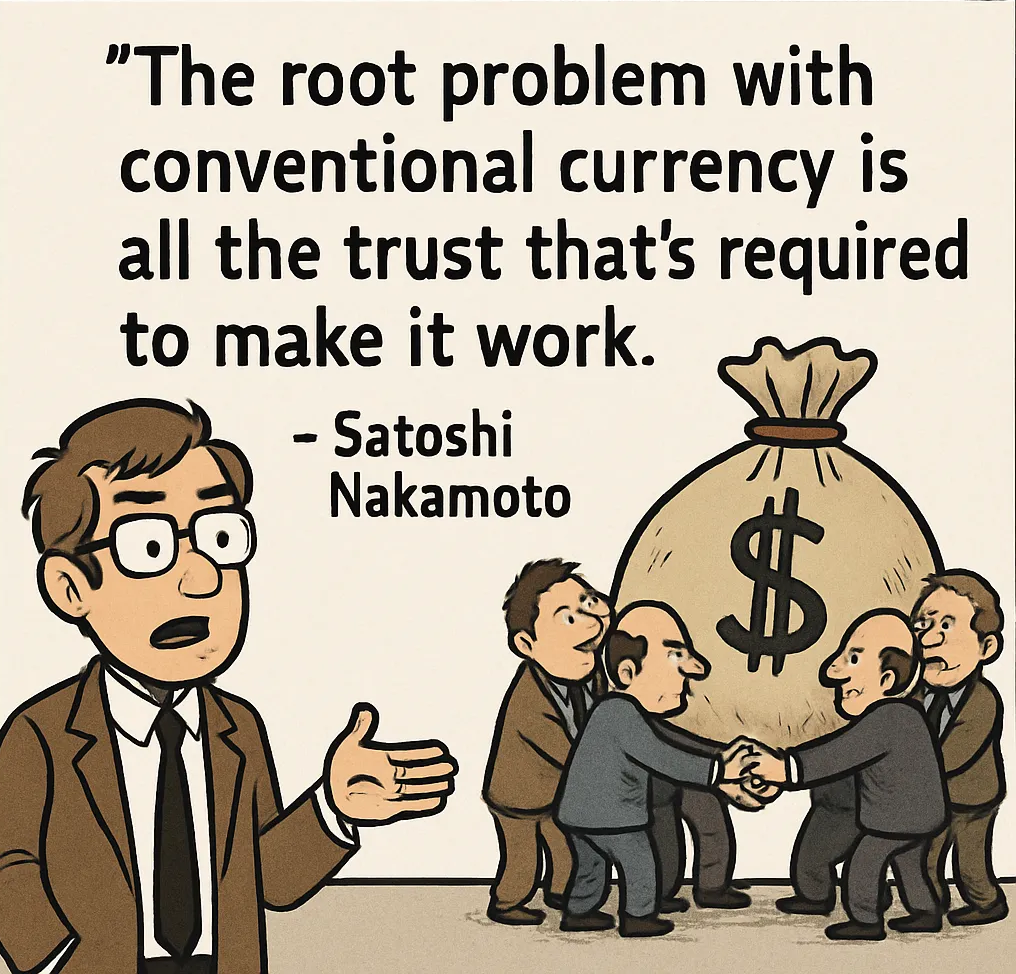
Despite centuries of use, traditional banking has clear problems:
- High fees and slow international transfers
- Poor access for over 1.7 billion unbanked people worldwide
- Vulnerability to inflation eroding savings
- Account freezes and censorship in politically unstable areas
Bitcoin addresses these issues by being available to anyone with a smartphone and internet, no matter their location or documentation. Picture a farmer in rural India who can't get a bank account but can receive Bitcoin payments instantly from global buyers, avoiding bureaucratic hurdles. Bitcoin transactions usually cost only a few cents and settle in minutes, without needing middlemen or dealing with exchange rates—a lot faster and cheaper than old money transfer services. Its decentralized nature also offers protection to users. For example, during protests in Hong Kong and Canada, activists used Bitcoin to fund their causes when traditional financial channels were blocked. It represents digital money that no single government controls.
"If Bitcoin stays decentralized and secure, it would represent the first global free market that ever existed, enforcing discipline globally through a trustless and open protocol bounded by energy."— Jeff Booth
While Bitcoin faces issues with scaling and regulatory challenges, layer 2 networks like the Lightning Network are making transactions quicker and cheaper for everyday purchases. These advancements show Bitcoin is changing to meet real-world needs.
Bitcoin as a Tool for Financial Empowerment
At its heart, Bitcoin puts control of finances, in individuals' hands, which is vital in a world with rising inequality. It's less about “get rich quick” and more about building independence and understanding. Learning about Bitcoin helps people grasp concepts like decentralization and cryptography, which enhances their financial knowledge. With simple strategies like buy, spend, and replace, Bitcoin provides an easy way to own property for those who find the current financial system, too complex. For those without access to banks or those in countries suffering from hyperinflation like Venezuela, Bitcoin offers a stable store of value that shields savings from currency collapse and allows for online purchases globally. Freelancers in developing countries can receive immediate, low-fee payments from international clients, avoiding the slow and costly processes of banks.
Bitcoin also enhances privacy and security; its pseudonymous transactions reduce the risk of identity theft compared to traditional banks that are often hacked. Imagine not having to worry that your bank account could be drained because you have control of your private keys. Additionally, Bitcoin aids local entrepreneurs by providing a stable and transparent financial system that lets them make better economic decisions and plan more effectively. By using Bitcoin in a circular economy, businesses can accurately price goods and services, manage their resources well, and engage in a self-sustaining network that strengthens local economies without leaning on unstable currencies or middlemen.
Challenges and the Path Forward
Bitcoin’s price fluctuations and changing regulations are part of the fight for financial independence. Yes, some environmentalists still argue that mining consumes too much energy, but more green energy is powering the network every day, moving it toward sustainability. Innovations like the Lightning Network cut fees and transaction times, breaking down barriers in traditional finance. Privacy-first tools like RoboSats offer a true peer-to-peer, non-custodial exchange with no KYC, no middlemen, returning control to the user. Meanwhile, Chaumian ecash protocols running atop Bitcoin, like Cashu and Fedimint promise true privacy and fungibility, enabling completely private spending.
For those entering this cryptoverse, these trustless, permissionless systems can help you reclaim economic control in a world of censorship and surveillance. This is not just technology—it’s a digital rebellion, a movement to decentralize power and restore individual sovereignty through sound money and secure payments.